Museum of the Future Opening Hours
The honest opening-hours range, how timed entry works, and the quietest slots to pick by hour, day of the week and season.
Trying to pin down the museum's exact hours is oddly hard, because the museum's own pages, the ticket listings and Google's panel do not fully agree. Rather than pretend there is one perfect schedule, our team gives you the honest range, the parts that are stable, and the slots that are genuinely quieter, so you can plan around real crowd patterns instead of a single disputed number.
What time does the Museum of the Future open and close?
The museum opens in the morning, most commonly cited between 9:30 and 10:00 AM, and closes in the evening. Published closing times vary by source from about 6:00 to 9:00 PM. Because these figures genuinely differ, we treat the schedule as a range and tell you to confirm exact hours on the official site before you plan a slot.
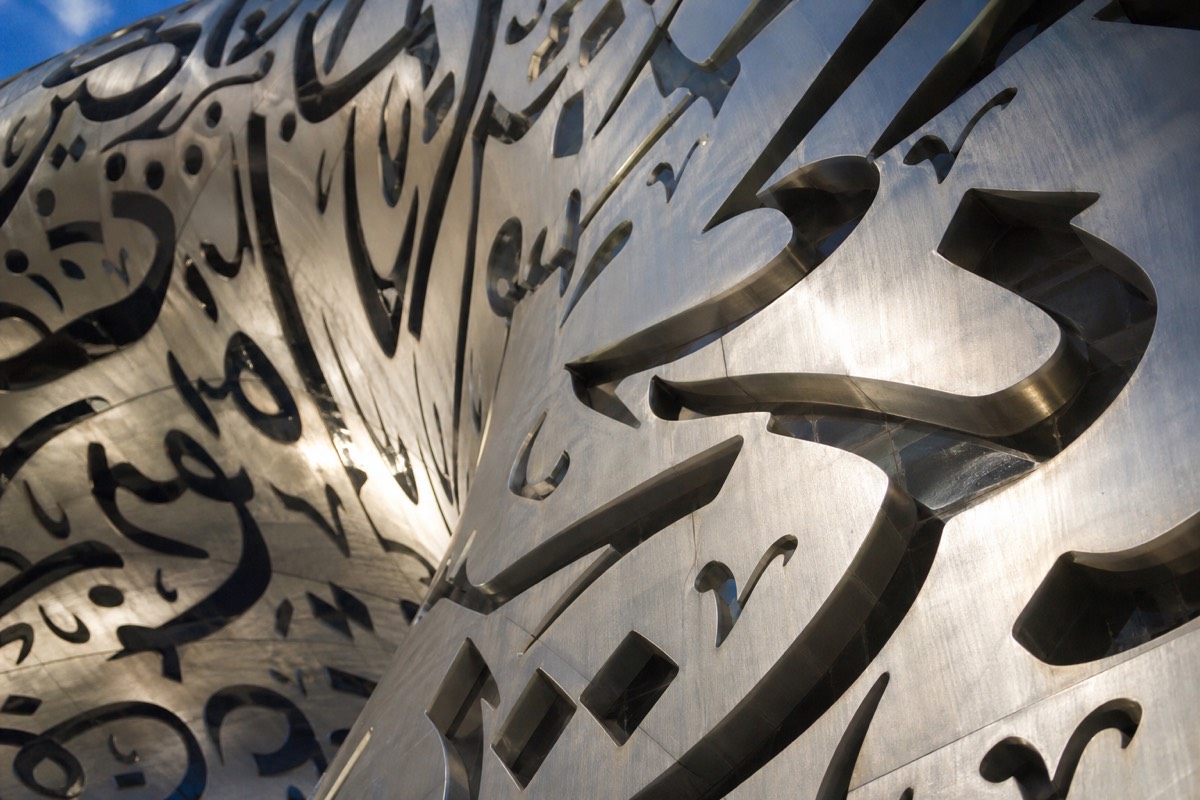
Here is the honest picture. Different official and listing pages state a 9:00 or 9:30 AM opening, and a 6:00, 7:00 or 9:00 PM close, while Google's panel has shown "Opens 10 AM." That spread is why we will not print one hard timetable as fact. On top of that, the museum has announced a temporary closure from 1 September 2026 until further notice, so checking the official site for current status is the first thing to do before you plan.
| Source type | Opening shown | Closing shown | What it suggests |
|---|---|---|---|
| Common ticket listing | ~9:30 AM | ~9:00 PM | A long day, late final slots |
| Some official pages | ~9:00 AM | ~6:00 to 7:00 PM | An earlier wind-down |
| Google panel | "Opens 10 AM" | Varies | Later start on some days |
| Our planning rule | Assume ~9:30 to 10:00 AM | Assume evening, confirm exact | Book early slot, verify before travel |
Because published times differ, we keep the current options together on the Museum of the Future Tickets overview, where you can open the live listing and confirm the slot you want against the day's real hours.
How does timed entry work, and when is the last admission?
Entry runs on timed slots roughly every 30 minutes, which adds up to about 22 to 24 slots across a full day. Last admission is commonly about one hour before closing. Once you are inside your slot you can stay until the museum closes, so a late-afternoon entry still gives you the full experience without a rush.
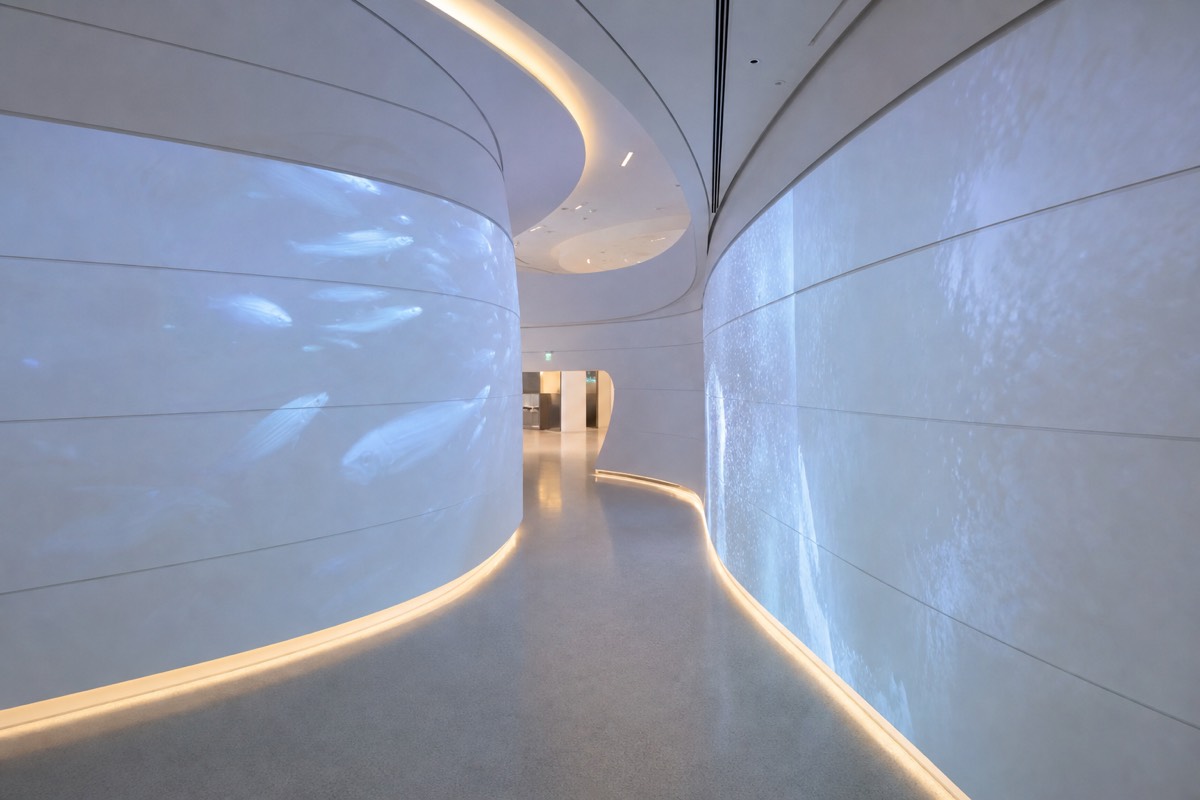
The slot on your ticket is your entry window, not a time limit on your visit. You scan in during your 30-minute window, then explore at your own pace until closing. Miss your window by a wide margin and staff may ask you to wait for a gap, so aim to arrive 10 to 15 minutes before it starts. If you want faster movement through the door at a busy hour, a priority or fast-entry pass is the lever that helps most.
When is it quietest, and when is it busiest, hour by hour?
The first slot of the day on a weekday is the quietest window by a clear margin. Crowds build from late morning, peak between roughly 11am and 3pm, then ease in the last two hours before closing. Late-afternoon entry is the second-best bet for space, softer light and shorter waits at the popular installations.
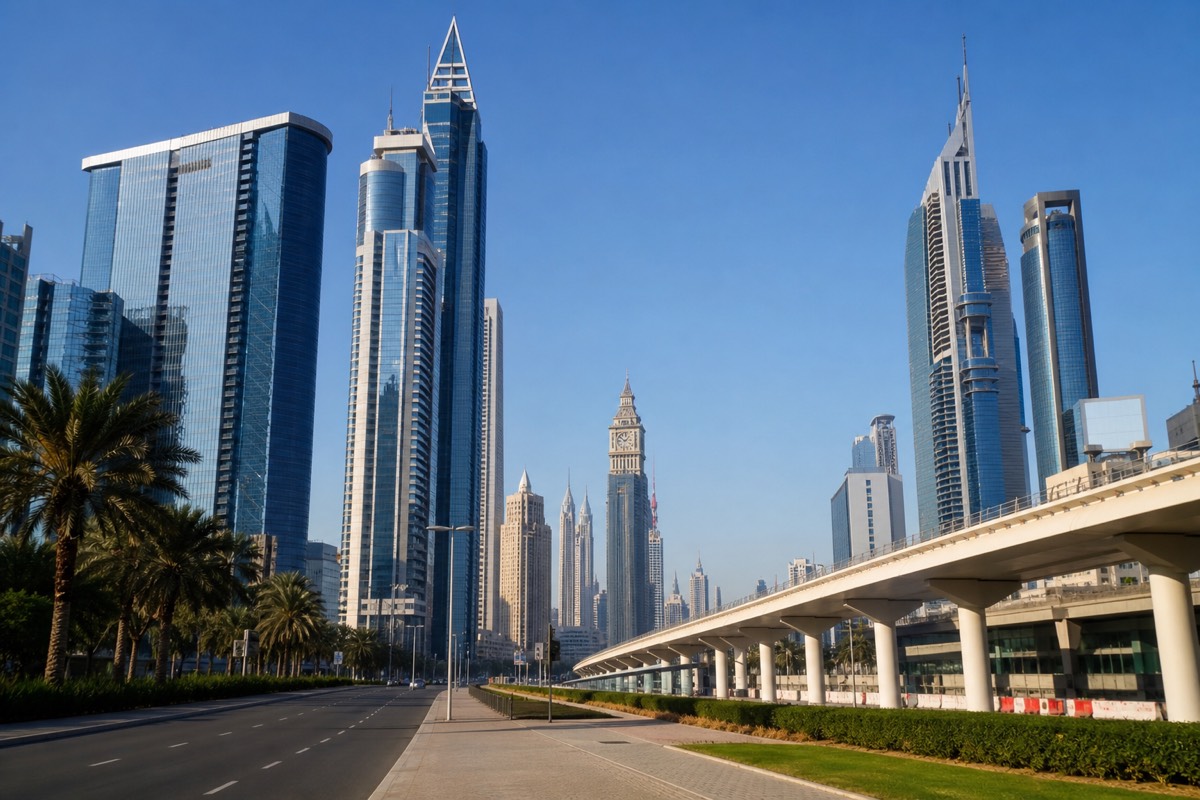
Crowd flow here is predictable enough to plan around. School groups and tour buses cluster mid-morning, the middle of the day is densest, and the final couple of hours thin out as families with young children head home. The scorecard below is how our team reads a typical day.
| Time window | Typical crowd | Light / atmosphere | Our take |
|---|---|---|---|
| Opening to ~10:30 AM | Lightest | Fresh, calm galleries | Best overall; book the first slot |
| 10:30 AM to 11:30 AM | Building | Filling steadily | Still comfortable |
| 11:30 AM to 3:00 PM | Heaviest | Busy, queues at key exhibits | Avoid if you can |
| 3:00 PM to 5:00 PM | Easing | Warmer afternoon light | Good second choice |
| Final 90 minutes | Light again | Quiet, unhurried | Great for photos, less time overall |
If your schedule only allows a midday slot on a busy day, the fast-entry option is the single change that most improves it, since it trims the part of the visit crowds hurt most.
Which day of the week is best to visit?
Weekday mornings win, with Tuesday to Thursday the calmest stretch. The UAE weekend of Saturday and Sunday is the busiest, and Friday afternoons and evenings fill up too. If your trip only allows a weekend, take the very first slot or the last 90 minutes, and consider a priority pass for the midday rush.
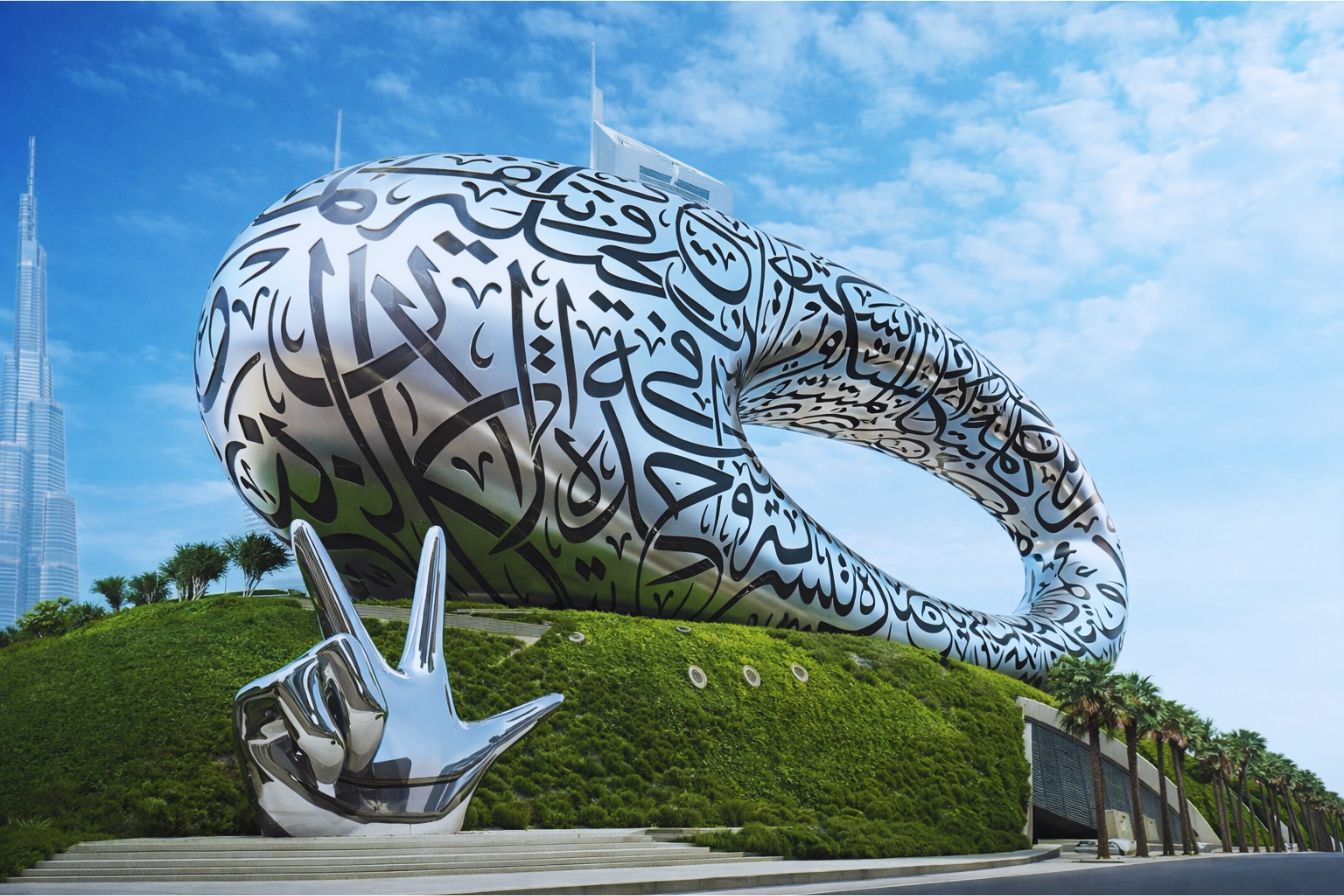
The rhythm follows Dubai's working week. Locals and residents flood in on the weekend, so galleries feel tightest then, while mid-week mornings are the quiet reward for early risers. The table below is a quick read on each day.
| Day | Typical crowd | Notes |
|---|---|---|
| Monday | Moderate | Quieter than the weekend, busier than mid-week |
| Tuesday | Light | Among the calmest days |
| Wednesday | Light | Another strong mid-week pick |
| Thursday | Light to moderate | Builds toward the weekend by evening |
| Friday | Moderate to heavy | Mornings calmer; afternoons and evenings fill |
| Saturday | Heavy | Busiest weekend day |
| Sunday | Heavy | Weekend crowds continue |
Whatever day you land on, the opening hours plus the first available slot beat any clever mid-visit trick for dodging the crush.
What about by month and season?
Dubai's cool season from roughly October to April is peak tourism, so those months and their holidays are busiest. The hot summer of June to August is quieter indoors, which suits a climate-controlled museum. Ramadan and public holidays can shift hours and crowd patterns, so confirm the day's timetable on the official site around those dates.
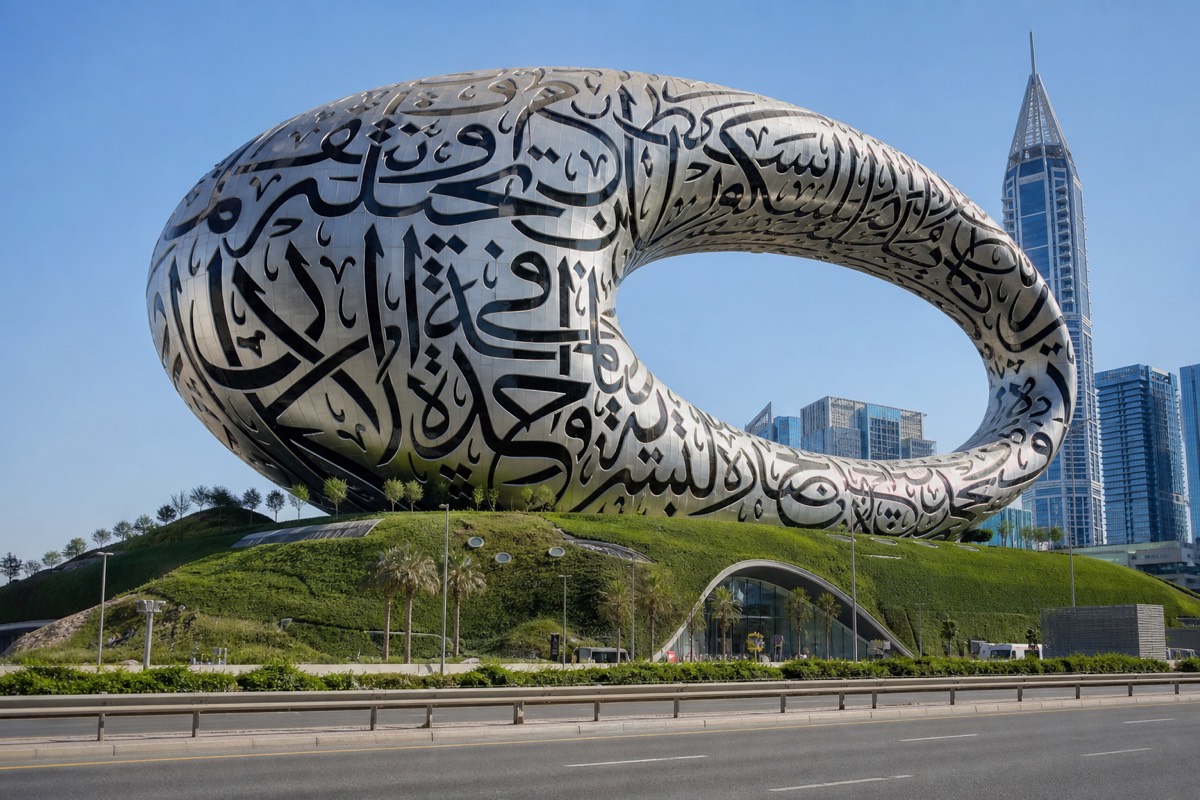
Season changes both crowd size and the character of the day. Winter brings peak visitor numbers, festival periods and the busiest weekends of the year. Summer heat pushes people into air-conditioned attractions, so the museum stays popular but the city overall is calmer. The table sets out what to expect.
| Season / months | Crowd level | Weather context | Booking tip |
|---|---|---|---|
| Peak: Oct to Apr | High | Cool, comfortable, festival season | Book slots well ahead, favour mornings |
| Holidays / Dec to early Jan | Very high | Shopping-festival period, school breaks | First or last slots only |
| Shoulder: May and Sep | Moderate | Warming up or cooling down | Good balance of space and choice |
| Low / hot: Jun to Aug | Lower | Very hot outside, cool indoors | More slot availability, still book |
| Ramadan (dates shift yearly) | Variable | Adjusted daily rhythm | Hours may change; confirm officially |
Season also feeds into ticket prices and combo availability, so if budget matters as much as crowds, our notes on how much the tickets cost pair naturally with this timing.
How long should you plan to spend inside?
Most visitors spend about 2 to 2.5 hours, and the realistic range is 1.5 to 3 hours. Move quickly through the highlights and 90 minutes works; with children, photography or a slow, thorough look, plan closer to three hours. Because you can stay until closing, an afternoon slot rarely feels rushed.
Time inside depends on how you travel and what pulls your attention. Families linger on the Future Heroes floor, photographers hover on the terrace and at the calligraphy, and anyone who reads every panel adds an hour. Use the table to set a realistic block in your day.
| Visitor type | Typical time inside | What drives it |
|---|---|---|
| Highlights only | 1 to 1.5 hours | Skimming the signature installations |
| Typical adult visit | 2 to 2.5 hours | All floors at a steady pace |
| Family with children | 2.5 to 3+ hours | Extended time on the kids floor |
| Photographer / enthusiast | 3 hours | Terrace, facade, unhurried exploring |
Block out half a day if you also want to see what is inside floor by floor without watching the clock, and leave a buffer for the popular photo spots.
What does a well-timed visit look like?
Take the first slot of a weekday, arrive 15 minutes early, and ride straight up to the top floor to work downward ahead of the crowd. Spend your first calm hour on the signature space and nature floors, save the terrace for the light you like, and you will be done in about 2.5 hours before the midday rush arrives.
The trick is to move against the flow. Most people start at the bottom and bunch up early, so heading up first buys you empty rooms in the exhibits that matter most. Here is a sample plan built on a 9:30 AM slot.
| Time | What you are doing |
|---|---|
| 9:15 AM | Arrive, clear entry, photograph the atrium while it is empty |
| 9:30 AM | Ride to the top floor, start with the space-station environment |
| 10:00 AM | Work down through the nature and wellness floors, still quiet |
| 10:45 AM | Tomorrow Today prototypes at an easy pace |
| 11:15 AM | Future Heroes floor if you have children |
| 11:40 AM | Outdoor terrace, skyline photos, then exit before the peak |
Shift every step two hours later and the same plan works for a late-afternoon slot, trading the empty-morning galleries for softer light and a quiet final hour.
When should you not go, and what to do instead?
Avoid weekend and public-holiday midday slots between about 11am and 3pm, when queues at the popular installations are longest. If you cannot dodge that window, switch to a priority pass, take the earliest or latest slot you can, and keep your visit to the highlights rather than every panel.
Sometimes the only slot left is the worst one, and that is fine if you adjust. A fast-entry pass removes the sharpest pain, the door itself, and a highlights-first route means you see the best of the museum even in a busy hour. If the whole day looks packed, our take on the best time to visit and whether it is worth it can help you decide between pushing through or choosing another date.
Do hours change during Ramadan, weekends, or holidays?
They can. Ramadan often brings adjusted daily hours across Dubai attractions, weekends run on the standard timetable but with heavier crowds, and public holidays can mean special or extended timings. None of this is fixed, so the safe move is always to confirm the exact hours on the official site for your specific date.
Dubai's calendar has a real effect on when doors open. During Ramadan, opening and closing times commonly shift to suit the fasting rhythm, and some attractions add late-evening hours. Major holidays can bring longer days or one-off changes. Because the museum's own published hours already vary, treat the official site as the single point of truth close to your travel date, and check it again if a temporary closure is in effect.