Is the Museum of the Future Worth It? An Honest Verdict
Most visitors are glad they went, a minority feel it was short for the price. Here is the honest case on both sides, with the real ratings and the value math.

Ask ten people who have been whether the Museum of the Future is worth it and you get a genuine split: most are glad they went, a minority feel it was short for the price. Both reactions are fair, and both are predictable once you know what the building is and is not. Our team pulled together the real ratings, the recurring praise, the honest gripes and the value math so you can decide before you book.
Is the Museum of the Future worth it?
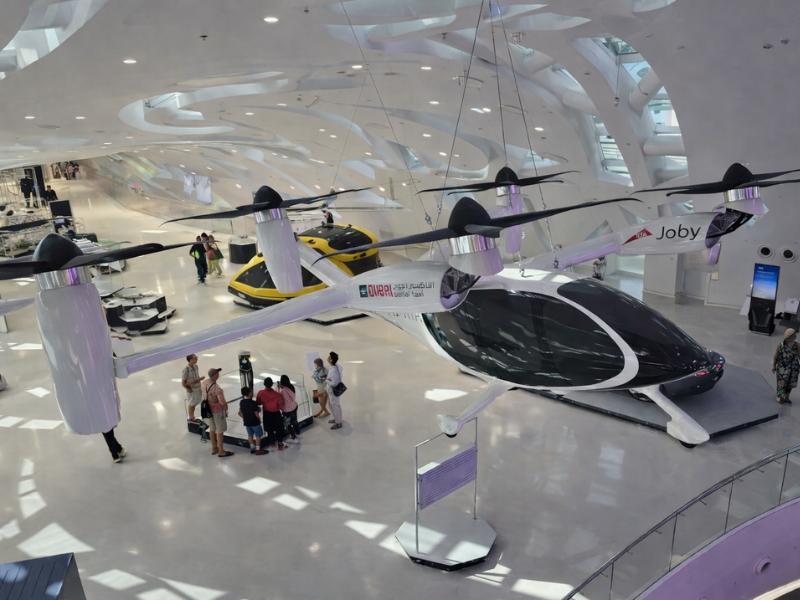
For most visitors, yes, with eyes open. It is one of the most striking immersive attractions in Dubai and it delivers on spectacle, design and ideas. The honest caveats are that it is an experience rather than a traditional museum, it is relatively short at about one and a half to two and a half hours, and it is not cheap.
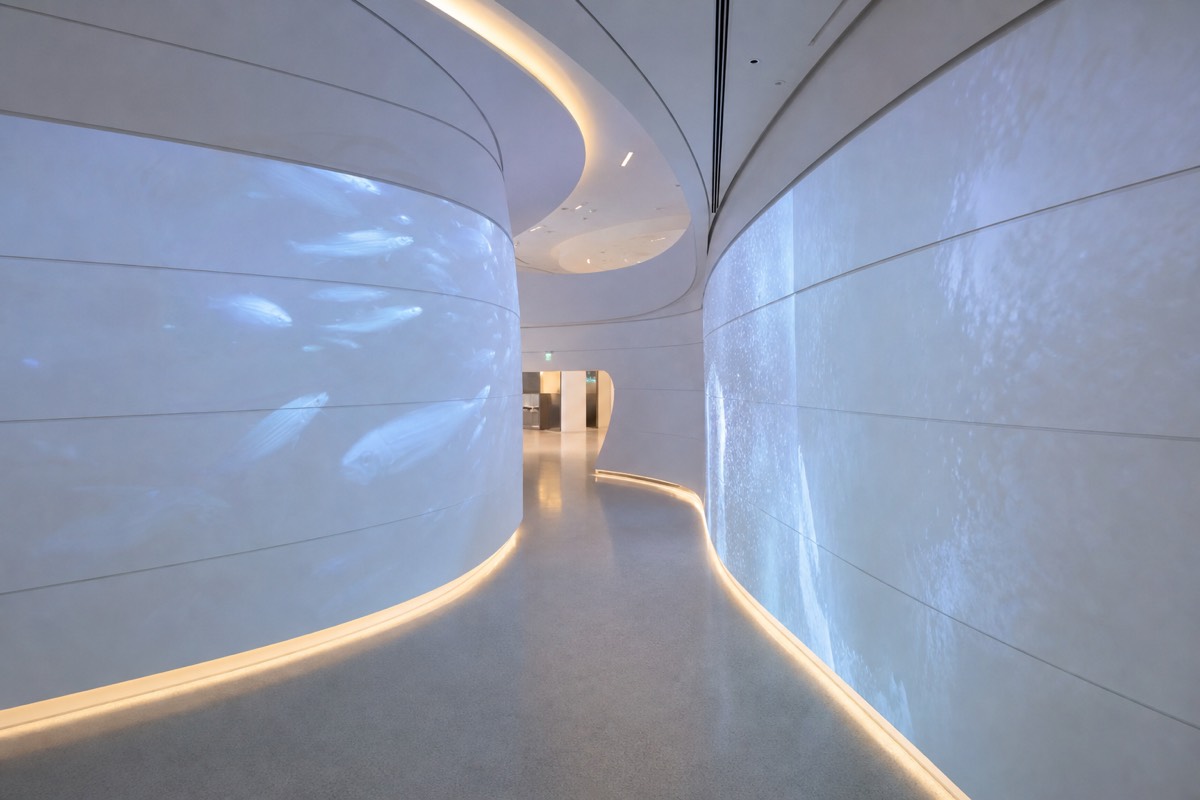
Put simply, you are paying for a high-production, walk-through vision of the future, not for a large collection you can browse all day. People who arrive expecting the second are the ones who leave underwhelmed. People who arrive expecting the first almost always rate it highly. One planning note for honesty: the museum has announced a temporary closure from 1 September 2026 until further notice, so check the official site for current status before you decide when to go.
What do the ratings actually say?
Across tens of thousands of reviews the museum sits at roughly 4.4 to 4.5 out of 5. Public review platforms cluster there, one large travel booking source sits a little lower near 3.9, and the specific ticket listings our team works with carry their own strong scores. We present these as ranges rather than inventing a single headline number.
The spread is normal for a high-profile attraction: a small share of one and two-star reviews, usually about queues, price or length, pull the average down from the very high scores the experience itself earns. Read a handful of recent reviews rather than fixating on the number, and weigh them against what you personally want from a visit.
| Source type | Approximate rating | Rough volume |
|---|---|---|
| Large search-engine reviews | ~4.4 / 5 | Tens of thousands |
| Major experiences listing | ~4.5 / 5 | Tens of thousands |
| General travel booking site | ~3.9 / 5 | Thousands |
| General admission ticket listing | 4.8 / 5 | 10,000+ booked |
| Priority pass listing | 4.8 / 5 | 4,700+ booked |
What do visitors consistently love?
The praise is remarkably consistent: the architecture inside and out, the quality and immersion of the environments, the calm surprise of Al Waha, the wonder of the space station, and how well it works for children. People describe it as beautiful, thought-provoking and unlike anything they had visited before.

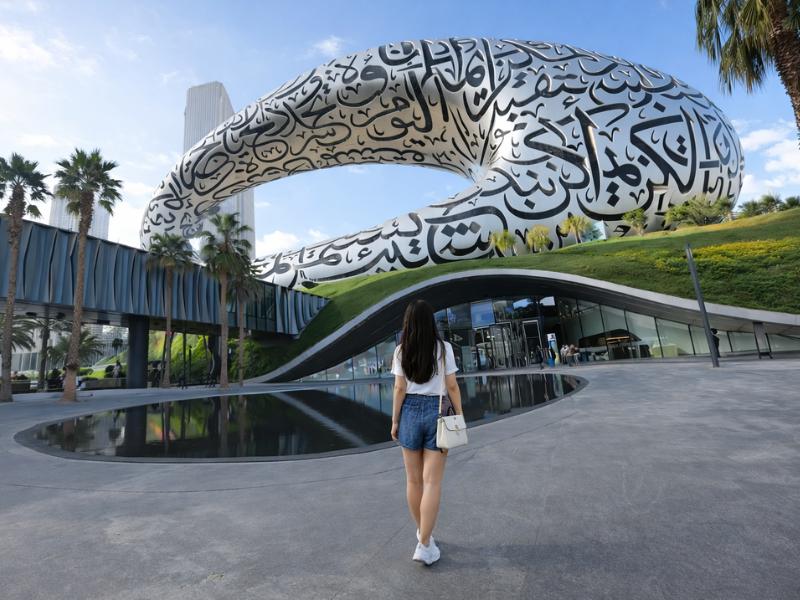
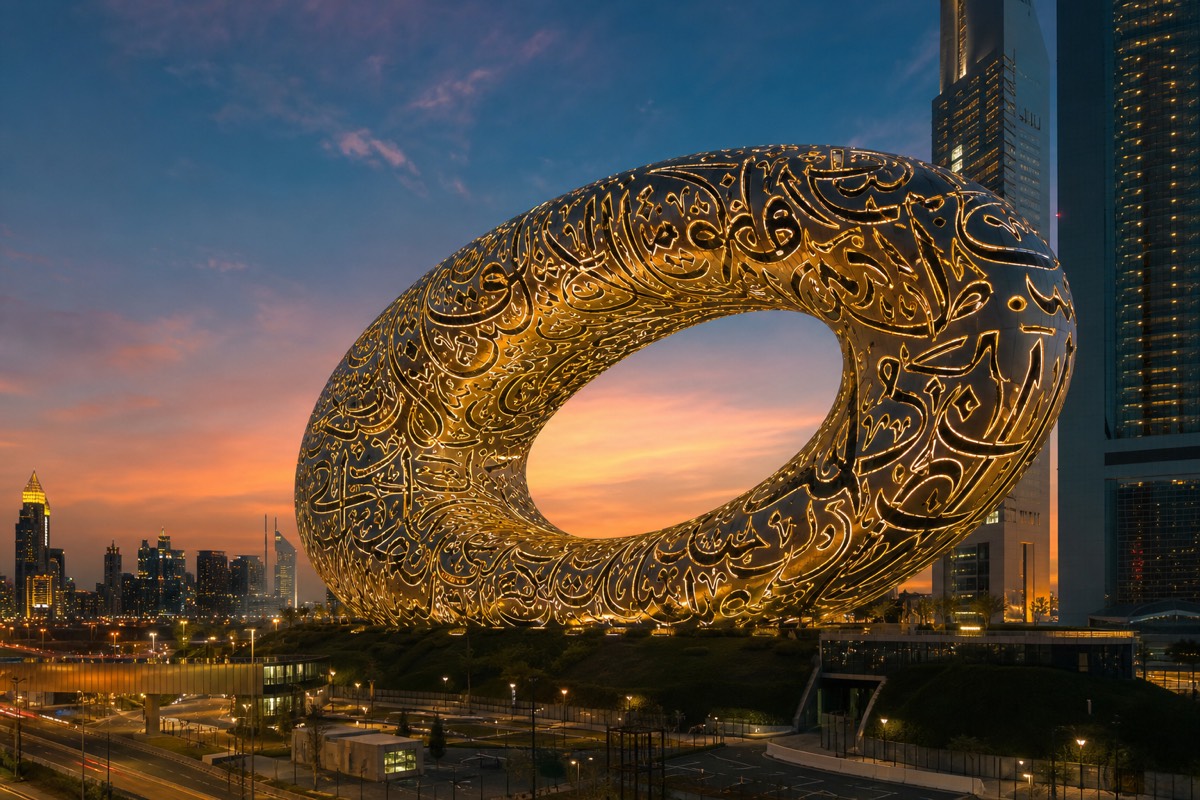
What stands out in review after review is that the museum over-delivers on production values. The facade alone draws crowds who never go in, and once inside, the seamlessness of the design earns the strongest reactions. Families single out Future Heroes, couples single out the atmosphere, and photographers single out the calligraphy and the atrium void. The table gathers the themes that come up most often.
| What visitors love | Why it comes up |
|---|---|
| The building itself | The torus and calligraphy are a landmark on their own |
| Immersive design | Full environments, not display cases |
| Al Waha | An unexpected, memorable moment of calm |
| OSS Hope | The space station wins over sceptics |
| Family appeal | Children are engaged, not bored |
| Cleanliness and staff | Smooth, well-run, helpful |
What are the honest criticisms?
Three criticisms recur and all three are fair. It is an immersive experience rather than a traditional museum, so there is little to read or collect; it is relatively short, often one and a half to two and a half hours; and it is not cheap for that length. A minority also mention queues at busy times and dark, crowded rooms.
These are not flaws so much as mismatches of expectation. If you measure value by hours-on-site against ticket price, the museum can feel expensive. If you measure it by memorable minutes and design quality, it holds up well. The length complaint is the most common, and it is why booking an early slot, when rooms are emptier and you move faster, tends to raise satisfaction. Crowd-related gripes concentrate in the middle of the day and at weekends, which is avoidable with timing.
What are the pros and cons at a glance?
The pros are spectacle, originality, family appeal, a central location and a genuinely accessible design. The cons are a higher price, a short visit, limited depth if you love reading and objects, dark rooms that can feel crowded at peak times, and the current temporary-closure status to check before planning.
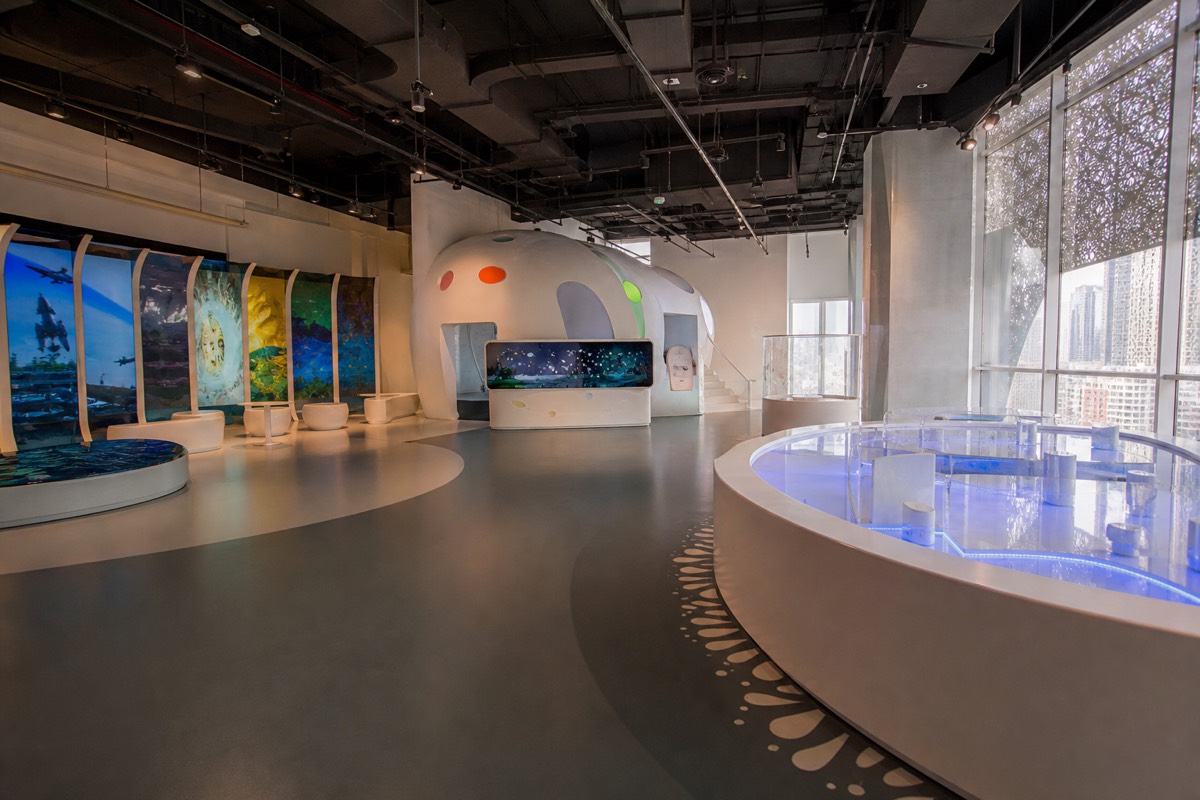
Weigh the two columns against your own travelling style rather than a generic verdict. A design-led traveller reads this table and books immediately; a history-museum traveller reads it and thinks twice. Both are reading it correctly.
| Pros | Cons |
|---|---|
| Striking, one-of-a-kind architecture | Higher ticket price for the length |
| Deeply immersive environments | Short visit, about 1.5 to 2.5 hours |
| Excellent for children | Little to read or collect |
| Central, easy to reach | Dark rooms feel crowded at peak |
| Fully accessible | Timed entry needs advance booking |
| Photogenic inside and out | Temporary closure announced, check status |
Is it worth the money? A look at price against time
General admission runs at roughly AED 159 to 199, about 43 to 54 US dollars, for a visit most people finish in around two hours. That works out near 20 to 25 dollars an hour of experience. A priority pass costs more, from about 109 dollars, and buys flexibility and faster entry rather than extra floors.
The value question really comes down to what you compare it against. Set beside a cinema ticket or a themed attraction, an immersive two-hour walk through a landmark building reads as reasonable. Set beside a full-day museum with a vast collection, it reads as pricey per hour. Prices move, so treat these as a guide and confirm the current figures on the live listing before you buy. Our dedicated look at ticket prices breaks down every tier and the child and companion categories in detail.
| Ticket type | Rough price | Typical time inside | What you are buying |
|---|---|---|---|
| General admission | ~AED 159 to 199 (~$43 to $54) | ~2 hours | Full access to every floor |
| Priority pass | from ~$109 | ~2 hours | Priority entry, flexible arrival, a retail credit |
| Child (discounted) | Reduced, varies | ~2 hours plus play time | Same access, lower price |
| Child under 4 | Free | Family-paced | No ticket needed for the youngest |
Who is it genuinely worth it for, and who should skip it?
It is strongly worth it for first-time Dubai visitors, families with children, design and architecture lovers, technology and science fans, and anyone chasing striking photographs. It is a weaker fit for travellers who want a large collection to browse, those on a tight budget, or anyone expecting a long half-day activity.
The clearest way to decide is to be honest about why you visit attractions at all. If it is for atmosphere, novelty and images, this is close to a must. If it is for depth, artefacts and quiet reading, your money stretches further elsewhere in the city. The table sorts the common visitor types so you can find yourself quickly.
| Worth it for | Better to skip if |
|---|---|
| First-time visitors to Dubai | You want a large browsable collection |
| Families with children | Your budget is very tight |
| Architecture and design fans | You expect a full half-day |
| Science and technology lovers | You dislike crowds and cannot go early |
| Keen photographers | You prefer objects and long reading |
| Anyone who likes immersive experiences | You have already seen many similar attractions |
How is it different from a traditional museum?
A traditional museum shows you real objects from the past and lets you set your own pace among them. The Museum of the Future shows you built environments about what is coming, with almost nothing to read and nothing behind glass. Understanding that difference is the single best predictor of whether you will love it.
People who go in expecting artefacts, wall text and a research library feel the gap immediately. People who go in expecting an experience closer to immersive theatre, walk through worlds and touch what you can, tend to be delighted. Neither expectation is wrong; they are just different products. If you want to know exactly what is inside floor by floor before you commit, our walkthrough covers every level, and our guide on whether it suits a family visit is worth a look for anyone travelling with children.
| Expectation | Reality at the Museum of the Future |
|---|---|
| Rooms of historic objects | Built, immersive environments about the future |
| Lots to read | Very little text, learn by moving through it |
| A full-day activity | About one and a half to two and a half hours |
| Browse at your own pace | A designed route from top to bottom |
| Walk-up entry | Timed, effectively advance-online tickets |
How do you get the most value from a visit?
Book the earliest slot you can, arrive fifteen minutes ahead, and treat the visit as a slow two hours rather than a race. Do not skip Al Waha or the terrace, keep flash off in the dark rooms, and only pay for a priority pass if you value flexible timing over the saving.
Small choices change how good the visit feels. Going at opening on a weekday means emptier rooms, faster movement and better photographs, which is the cheapest upgrade available. Reading the layout in advance means you spend your slot experiencing rather than orienting. And matching the ticket to your needs, rather than defaulting to the most expensive one, keeps the value where it belongs. You can compare the live options through Museum of the Future Tickets, and our notes on the best time to visit and the quietest time go deeper on timing.
| Move | Why it raises value |
|---|---|
| Book an early, weekday slot | Emptier rooms, faster pace, better photos |
| Arrive 15 minutes early | Full use of your timed slot |
| Read the floor plan first | Less time orienting, more experiencing |
| Slow down in Al Waha | The moment people remember most |
| Match the ticket to your needs | Do not overpay for flexibility you will not use |
| Check current status and price | Avoid surprises given the announced closure |
So, should you go?
If you have never been and you like design, technology or simply beautiful places, go, and book an early slot to see it at its best. If you want a deep, object-rich museum to fill a day, spend your money elsewhere in Dubai and keep this as a shorter, high-impact stop rather than the main event.
The fairest one-line verdict our team can give is that the Museum of the Future is expensive for its length and worth it anyway for the right visitor, because what it does, it does better than almost anywhere. Just set your expectations to immersive experience, not traditional museum, book ahead for a timed slot, and check the official site for current status first. With those three things settled, most people walk out glad they came. If you are still weighing it against other stops, there are plenty of other Downtown Dubai attractions within a short hop to round out the day.